
Knowledge Center
Does Ketamine Therapy Get You High?
Introduction

Ketamine has transitioned from a primary anesthetic used in operating rooms to a breakthrough treatment for treatment-resistant depression, PTSD, and chronic pain. As its popularity in mental health grows, a common question arises for prospective patients: does ketamine therapy get you high? Understanding the distinction between a controlled clinical “experience” and recreational intoxication is vital for anyone considering this life-changing intervention. While ketamine is psychoactive, the therapeutic setting, dosage, and medical supervision create an environment far removed from illicit use.
What Is Ketamine?
Ketamine is a dissociative anesthetic that was first synthesized in 1962 and received FDA approval for human use in 1970. Unlike traditional opioids or sedatives, it induces a state of “dissociative anesthesia,” where a patient remains functional in terms of breathing and reflexes but is disconnected from sensory input.
In the decades following its inception, researchers discovered that at sub-anesthetic doses, ketamine has a profound impact on the brain’s glutamate system. This led to the development of ketamine infusion therapy and nasal sprays specifically designed for psychiatric and pain management purposes. In a professional setting, medical-grade ketamine is utilized to ensure purity and precise concentration, which is a world away from the unpredictable substances found on the street.
Medical Uses of Ketamine
Today, ketamine is utilized across a spectrum of medical needs:
- Anesthesia: High doses for surgical procedures.
- Pain Management: Addressing complex regional pain syndrome (CRPS) and fibromyalgia.
- Mental Health: Rapid relief for treatment-resistant depression (TRD), bipolar depression, and severe anxiety.
- Emergency Medicine: Used for rapid sedation in trauma cases due to its high safety profile regarding respiratory function.
Does Ketamine Therapy Get You High?
To answer the core question—does ketamine therapy get you high—one must define what a “high” actually is. In a recreational context, a high often refers to an uncontrolled, euphoric, or “trippy” state sought for entertainment. In a clinical context, the sensations experienced are referred to as “dissociation.”
While you may feel a sense of lightness, euphoria, or altered perception, the goal of the treatment is not the “buzz.” Instead, these sensations are side effects of the drug’s mechanism of action as it begins to repair neural pathways. So, does ketamine therapy get you high in the traditional sense? Not exactly. Most patients describe the feeling as a “controlled detachment” rather than a chaotic or intoxicating “high.”
When asking, “does ketamine therapy get you high?” it is important to remember that the dosage used in a clinic is significantly lower than that used in surgery and is administered much more slowly than recreational use, which prevents the sudden “rush” associated with drug abuse.
Forms of Medical Ketamine
Medical ketamine is administered in several ways, each affecting the speed and intensity of the sensory experience:
- Intravenous (IV) Infusion: The gold standard for bioavailability. It allows for a slow, controlled drip.
- Intramuscular (IM) Injection: Often used in psychiatric clinics; it is absorbed quickly into the muscle.
- Nasal Spray: Such as Esketamine (Spravato), which is FDA-approved for depression.
- Oral/Sublingual: Lozenges or tablets often used for at-home maintenance.

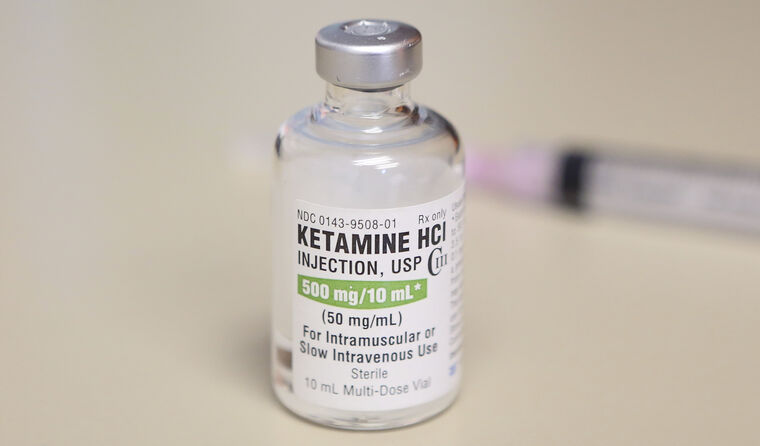
Clinicians often prefer the Ketamine HCl Injection for in-office treatments because the rate of administration can be paused or slowed immediately if the patient feels the sensations are becoming too intense.
How Ketamine Therapy Works
Ketamine works differently than traditional SSRIs. While SSRIs focus on serotonin, ketamine targets glutamate, the brain’s most abundant chemical messenger. By blocking NMDA receptors, ketamine triggers the release of other molecules that help neurons communicate along new pathways—a process known as synaptogenesis.

During this biological “rewiring,” the patient’s consciousness is temporarily altered. This is why people ask, “Does ketamine therapy get you high?” The brain is essentially being taken “offline” from its usual ruminative loops, allowing for a fresh perspective on emotional trauma or chronic pain.
Factors That Influence the Ketamine Therapy High Feeling
Several variables dictate what sensations occur during ketamine treatment:
- Dosage: Higher doses lead to deeper dissociation.
- Set and Setting: A calm, darkened room with soft music (the clinical standard) leads to a meditative state, whereas a chaotic environment could lead to anxiety.
- Administration Method: IV infusions are generally more “smooth” than the peak-and-valley effect of nasal sprays or injections.
- Individual Metabolism: Each person processes the medication at a different rate.
Because of these variables, it is common to wonder, “Does ketamine therapy get you high, or will I just feel sleepy?” Most patients remain awake but in a dream-like state.
7 Key Benefits of Clinical Ketamine Therapy
- Rapid Onset: Unlike antidepressants that take weeks, ketamine can work within hours.
- Neural Plasticity: It physically helps the brain heal and grow new connections.
- Reduction in Suicidal Ideation: It is one of the few interventions that can quickly decrease acute suicidal thoughts.
- Breakthrough for PTSD: Helps patients process traumatic memories without the intense emotional “fight or flight” response.
- Non-Opioid Pain Relief: Provides an alternative for those suffering from chronic pain.
- Controlled Environment: Every session is monitored by a professional to ensure safety.
- High Success Rate: Studies show up to 70% of treatment-resistant patients respond positively.
Comparison: Clinical vs. Recreational Ketamine
| Feature | Clinical Ketamine Therapy | Recreational Ketamine Use |
| Purity | 100% pharmaceutical grade | Often “cut” with dangerous additives |
| Dose | Low, sub-anesthetic, precise | High, unmeasured, unpredictable |
| Goal | Symptom relief and healing | Escapism or intoxication |
| Supervision | Licensed medical professionals | None |
| Safety | High; monitored vitals | Risk of overdose, bladder issues, and death |

When people ask, “Does ketamine therapy get you high?” they are often worried about addiction. However, the structured nature of clinical use makes the risk of developing a substance use disorder significantly lower than illicit use.
Safety & Clinical Considerations
Is ketamine therapy safe and controlled? Yes, when performed in a licensed facility. Doctors monitor blood pressure and heart rate, as ketamine can cause temporary spikes in both.
If a patient uses Ketamine HCl Nasal Spray, they are typically required to remain in the office for at least two hours to ensure that any dissociative effects have worn off before they are driven home by a friend or family member.
Side Effects
While generally well-tolerated, some side effects include:
- Nausea or dizziness
- Increased heart rate
- Blurred or double vision
- Ketamine dissociative effects (feeling outside of one’s body)
- Temporary confusion post-treatment
Who Should Avoid Ketamine?
Ketamine is not for everyone. Individuals with the following conditions should consult their doctor extensively:
- Active psychosis or schizophrenia
- Uncontrolled hypertension (high blood pressure)
- Recent heart attack or unstable angina
- Active substance use disorder (unless in a specific recovery program)
- Pregnancy
The “High” vs. The “Healing”
One of the most profound aspects of the treatment is the ketamine therapy dissociation experience. Patients often describe “floating” or seeing geometric patterns. While this may answer the question “Does ketamine therapy get you high?” with a “yes” in terms of sensory changes, the medical community views these as “biomarkers” of the drug reaching the brain.
Some researchers believe the ketamine therapy high feeling is actually part of the healing process. The “distance” created by dissociation allows patients to look at their depression or trauma objectively, without the crushing weight of the emotions usually attached to them.
Summary: What to Expect
In summary, does ketamine therapy get you high? It produces a psychoactive experience that involves dissociation and altered perception, but this is a far cry from the “high” of recreational drug abuse. It is a medically supervised, sub-anesthetic dose of Ketamine HCl Powder (reconstituted for clinical use) or liquid infusion designed to promote brain health.
Key Takeaways:
- Does ketamine therapy get you high? You will feel “different” or “spaced out,” but it is controlled.
- Is it safe? Yes, under professional supervision.
- Is it the same as street K? No, the purity, dosage, and intent are entirely different.
- Will I get addicted? Clinical protocols are designed to minimize the risk of dependency.
Frequently Asked Questions (FAQs)
1. Does ketamine therapy get you high every time?
Most patients experience some level of dissociation during every session, though the intensity may vary based on your hydration, sleep, and current mental state.
2. How long does the “high” last in therapy?
The active dissociative phase of an IV infusion usually lasts about 40 minutes, with another 15–30 minutes required for the “fog” to lift.
3. Will ketamine therapy make me feel high like LSD?
While both are psychoactive, ketamine is a dissociative, whereas LSD is a classic psychedelic. Ketamine tends to be more “internal” and “numbing” compared to the visual and stimulatory nature of LSD.
4. Does medical ketamine cause euphoria?
Some patients report feeling a sense of peace or mild euphoria during and after the session, which can be a welcome relief from the heaviness of depression.
5. Can you feel high during ketamine infusion and still drive?
No. You are strictly prohibited from driving or operating heavy machinery for at least 24 hours after a session.
6. Is ketamine therapy supposed to make you high to work?
The “high” or dissociation is considered a side effect, though many therapists believe the “space” it provides is where the psychological work happens.
7. Does ketamine therapy cause hallucinations?
True hallucinations (seeing things that aren’t there with eyes open) are rare at clinical doses, but “closed-eye visuals” or altered perceptions of light and sound are common.
Final Thoughts on the Ketamine Experience
The question “Does ketamine therapy get you high?” is a natural one, born out of the drug’s complicated history. However, for the thousands of people who have found relief from “the darkness” through this treatment, the sensory changes are a small price to pay for the return of mental clarity and emotional stability.
By prioritizing licensed clinics and following medical guidelines, patients can safely navigate the unique sensations of ketamine therapy to reach a place of lasting wellness. Whether you are using a nasal spray or an infusion, the focus remains on the long-term biological changes in the brain rather than the temporary “high.”
Medical Disclaimer:
This information is provided for educational purposes only and does not represent professional medical advice, diagnosis, or treatment. Ketamine-based therapies must always be administered and supervised by a licensed healthcare professional in a clinical setting. You should consult with a qualified medical provider before starting any new treatment or making changes to your current healthcare regimen.
Ketamine Dosage Form
-

Ketamine HCl Injection
Price range: $104.95 through $5,235.56 -

Ketamine HCl Nasal Spray
Price range: $449.99 through $1,349.85 -

Ketamine HCl Powder
Price range: $164.75 through $13,934.65
References: