

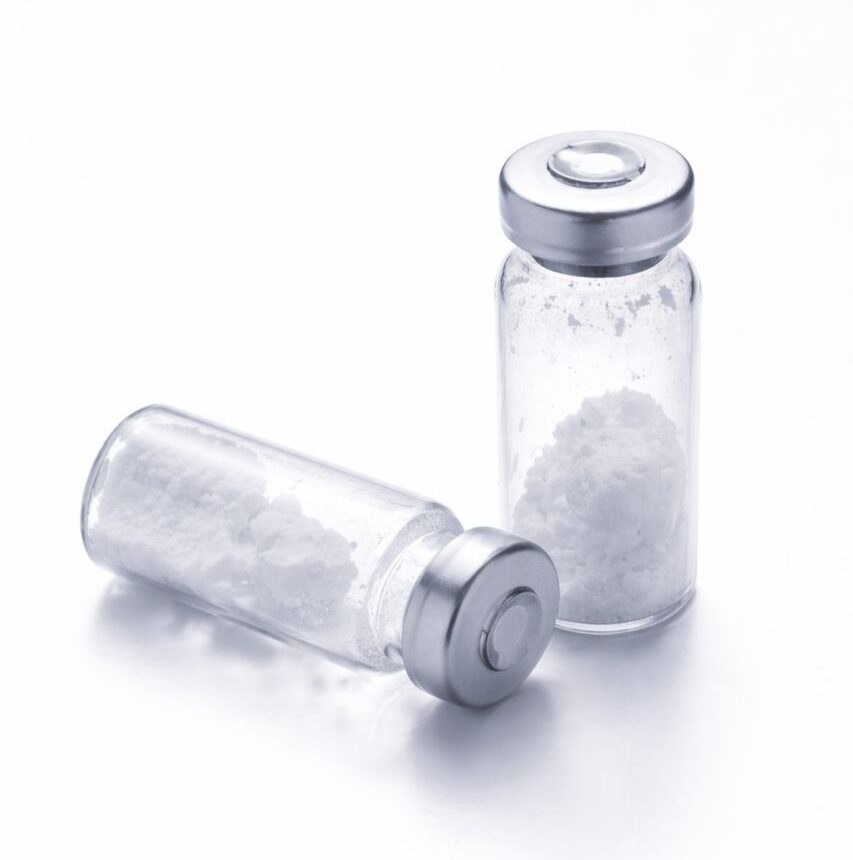


Ketamine HCl Powder
Price range: $164.75 through $13,934.65
High-purity Ketamine HCl Powder (≥99%) designed for licensed research institutions and pharmaceutical compounding applications. This crystalline NMDA receptor antagonist provides exceptional stability, precise formulation control, and reliable performance for advanced clinical studies and specialized preparations.

Introduction
Ketamine HCl Powder is a potent NMDA receptor antagonist, primarily utilized by licensed research institutions and compounding pharmacies. Known for its exceptional purity and versatility, this raw pharmaceutical material serves as the foundation for various specialized formulations, ranging from topical analgesics to experimental neuroplasticity studies. Unlike the pre-diluted injection, the powder form offers precise control over molar concentrations, allowing scientists to tailor solutions for specific cellular assays or veterinary applications. Mastery of medical-grade ketamine in its solid state is critical for maintaining chemical stability and ensuring the integrity of longitudinal medical data.
Key Takeaways for Researchers
High-purity crystalline structure facilitates accurate analytical weighing.
Functions as a non-competitive NMDA antagonist for neurological mapping.
Optimal for compounding customized strengths not available in commercial vials.
Requires climate-controlled storage to prevent hygroscopic degradation.
Serving as a primary substrate for studying rapid-acting antidepressant pathways.
What Is Ketamine HCl Powder?
Ketamine HCl Powder is a white, crystalline substance that represents the pure salt form of the arylcyclohexylamine class. Chemically, it is identified as (RS)-2-(2-Chlorophenyl)-2-(methylamino)cyclohexanone hydrochloride. In this undiluted state, the compound exhibits high solubility in water and ethanol, making it an ideal candidate for aqueous reconstructions.

The powder format is particularly valued in pharmacokinetic research for its lack of preservatives, such as benzethonium chloride, which are often found in liquid versions. This purity ensures that experimental results are directly attributable to the ketamine molecule itself, without interference from stabilizing additives. Its mechanism involves blocking the ionotropic NMDA receptors, thereby modulating glutamate transmission—a process essential for understanding synaptic plasticity.
Conditions It Treats: Research and Clinical Scopes
While not administered to patients in its raw state, Ketamine HCl Powder is a precursor to treatments for several complex physiological and psychological conditions.
Refractory Neuropathic Pain
Compounding pharmacists use the powder to create specialized transdermal creams or high-concentration oral solutions for patients with treatment-resistant nerve pain. These customized vehicles allow for localized delivery, potentially reducing systemic side effects.
Treatment-Resistant Depression (TRD)
The powder serves as the active pharmaceutical ingredient (API) in clinical trials investigating rapid induction of synaptogenesis. Research focuses on how the molecule can reverse dendritic atrophy caused by chronic stress.
Veterinary Anesthesia
In large animal medicine, the powder is often reconstituted into high-dose volumes for the immobilization of exotic species or livestock, where standard 100 mg/mL vials would require impractical fluid volumes.
Ketamine HCl Powder
The utility of Ketamine HCl Powder lies in its stability and its potential for concentration. For laboratories performing high-throughput screening, the powdered form offers a cost-effective, space-efficient way to maintain a significant chemical inventory. Because it is a Schedule III controlled substance, its handling requires rigorous adherence to DEA protocols and precise logarithmic record-keeping to track every milligram used in the compounding process.
Ketamine HCl Powder Variable Section
The application of this crystalline agent varies based on the desired solubility and the pH of the final solution. Researchers must account for the salt-to-base conversion ratio when calculating precise dosages for in vitro studies.

In pharmaceutical manufacturing and specialized clinical compounding, Ketamine HCl Powder acts as the primary raw material for creating various administration forms. As a white crystalline substance, its physical properties—such as its melting point of approximately 262°C and high solubility in water (20 g/100 mL)—determine how it is processed into sterile solutions or alternative delivery systems.
Storage and Shelf Life
In its solid form, the compound is remarkably stable. When kept in an airtight container away from direct light and moisture, it maintains its potency significantly longer than its liquid counterparts, which are prone to oxidation once the vial seal is punctured.
Compounding Versatility
By starting with the powder, clinicians can develop Ketamine HCl Nasal Spray formulations with specific osmolarity levels to improve mucosal absorption and patient comfort.
Solubility Factors of Ketamine HCl Powder
While readily soluble, the rate of dissolution can be influenced by the temperature of the solvent and the presence of other ions. Standard protocols often involve gentle agitation in sterile saline to ensure a homogenous mixture for Ketamine HCl Injection preparation in hospital pharmacies.
Factors That Influence Ketamine HCl Powder Variation
Several variables can impact the behavior and efficacy of the powder during the formulation process:
-
Crystalline Polymorphism: Different batches may exhibit slight variations in crystal size, which can affect dissolution rate.
-
Moisture Content: As a slightly hygroscopic material, exposure to high humidity can increase the powder’s weight, potentially leading to under-dosing if not properly desiccated.
-
Solvent pH: The pH of the reconstruction fluid can alter the molecule’s ionization state, affecting its ability to cross biological membranes.
-
Batch Purity: The presence of trace amounts of synthesis precursors or heavy metals—monitored by HPLC—is a critical variable for human-grade pharmaceutical applications.
Clinical Benefits and Research Uses
1. Precision Dosing for Micro-Dosing Studies
The Ketamine HCl Powder enables the preparation of ultra-low-concentration solutions required for studying sub-perceptual effects on cognitive function.
2. Specialized Topical Formulations
By incorporating Ketamine HCl Powder into liposomal bases, clinicians can treat localized pain symptoms without the dissociative side effects associated with systemic administration.
3. Stability in Long-term Research
For multi-year longitudinal studies, the solid state ensures that the chemical signature remains constant, eliminating the variable of liquid degradation over time.
4. Custom Oral Pharmacokinetics
Research into oral bioavailability often uses Ketamine HCl Powder to produce enteric-coated capsules that bypass gastric acidity.
5. Facilitation of Multi-Drug Protocols
In veterinary research, the powder can be co-dissolved with other agents (like xylazine) to create customized anesthetic cocktails in a single, concentrated dose.
Comparison of Ketamine Delivery Systems
| Feature | Ketamine HCl Powder | Ketamine HCl Injection | Ketamine HCl Nasal Spray |
| Physical State | Crystalline Solid | Sterile Solution | Atomized Liquid |
| Precision | Highest (by mg) | Fixed (by mL) | Pre-set per spray |
| Primary User | Pharmacist / Researcher | ER Doctor / Anesthetist | Psychiatrist / Patient |
| Shelf Life | Longest (years) | Moderate | Shortest |
| Additives | None (Pure) | Preservatives common | Buffers / Aromas |
Safety and Side Effects: Clinical Considerations
Handling Ketamine HCl Powder requires strict safety protocols to prevent accidental inhalation or cross-contamination. According to the FDA, pharmaceutical-grade APIs must be handled in controlled environments to ensure patient safety. Side effects during research or following administration of compounded products mirror those of the injectable form, including transient hypertension and tachycardia.

Research published in PubMed emphasizes that improper compounding of the powder can lead to sub-therapeutic or toxic levels. Therefore, volumetric displacement must be calculated with extreme care. The risk of bladder toxicity (cystitis) is also noted in long-term studies involving high-frequency exposure to the compound’s metabolites.
Who Should Avoid It: Contraindications
The use of products derived from the powder is contraindicated in the following populations:
-
Severe Cardiovascular Disease: Where an induced increase in heart rate could precipitate a cardiac event.
-
Active Psychosis: Due to the risk of exacerbating dissociative symptoms.
-
Pregnancy: Unless the benefit clearly outweighs the risk to the fetus, as ketamine crosses the placental barrier.
-
Glaucoma: Because the agent can cause a moderate increase in intraocular pressure.
Summary
Ketamine HCl Powder is a vital asset for the global medical community, providing the flexibility and purity needed for advanced pharmaceutical development and specialized patient care. Its role in the creation of Ketamine HCl Injection and other delivery formats ensures that clinicians have the tools needed to address everything from acute trauma to chronic mental health crises. By adhering to rigorous standards of purity and administrative safety, researchers can continue to unlock the therapeutic potential of this versatile arylcyclohexylamine.
Frequently Asked Questions
What is the purity level of medical-grade Ketamine HCl Powder?
Standard pharmaceutical-grade powder typically maintains a purity of 99% or higher, as verified by High-Performance Liquid Chromatography (HPLC). This ensures that researchers are working with a consistent chemical profile.
How should the powder be stored to maintain its integrity?
It should be kept in a tightly sealed, light-resistant container at controlled room temperature (20°C to 25°C). Protecting it from humidity is essential to prevent clumping and weight inaccuracy.
Can the powder be used to make oral medications?
Yes, compounding pharmacies often use the powder to create oral troches, capsules, or flavored liquids for specific therapeutic needs, such as chronic pain management.
What are the legal requirements for purchasing the powder?
In most jurisdictions, a DEA license and state-specific controlled substance registrations are required. Please maintain detailed logs to account for every milligram from receipt to final utilization.
Is the powder more cost-effective than liquid vials?
For high-volume institutions or research labs, the powder often provides a lower cost-per-milligram, especially when large quantities are required for reconstruction into varied concentrations, as highlighted by Mayo Clinic.
Medical Disclaimer
This resource is intended for licensed medical professionals and researchers. Ketamine is a Schedule III controlled substance. All handling must comply with CDC and DEA regulations.

Michael Anderson –
Product arrived very well packaged and exactly as described. The package looked clean and professional, and shipping was faster than expected. Customer support responded quickly and made the process smooth. – Michael Anderson – Texas, USA
Daniel Thompson –
This was my second order and the quality has been consistent each time. Packaging was secure and discreet, and delivery tracking worked perfectly. Everything matched the listing details. – Daniel Thompson, California, USA
Lukas Schneider –
Very impressed with the presentation and overall professionalism. The packaging was sealed properly and arrived in excellent condition. Communication from the seller was clear and reliable. – Lukas Schneider, Bavaria, Germany
Oliver Bennett –
The product arrived safely and looked exactly as expected. Packaging quality was excellent and delivery time was reasonable. Very satisfied with the experience overall. – Oliver Bennett, London, United Kingdom
Pierre Laurent –
Great service from beginning to end. The product was carefully packed and delivered without any issues. I appreciated the professional handling and fast response time. – Pierre Laurent, Île-de-France, France