

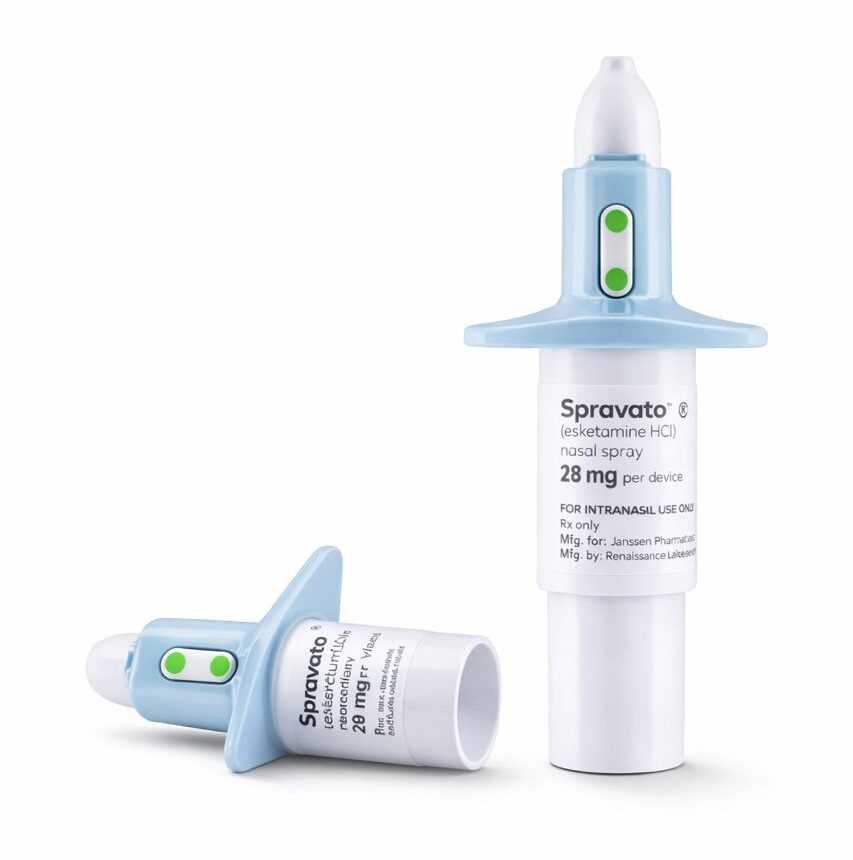


Ketamine HCl Nasal Spray
Price range: $449.99 through $1,349.85
Ketamine HCl Nasal Spray is a precisely formulated intranasal delivery system designed for clinical and research applications. This fast-acting NMDA receptor antagonist supports consistent absorption and controlled administration in regulated medical settings

Introduction
Ketamine HCl Nasal Spray is a non-invasive pharmaceutical delivery system designed for the rapid administration of NMDA receptor antagonists through the nasal mucosa. In modern clinical psychiatry and emergency analgesia, this method bypasses the digestive system and first-pass hepatic metabolism, allowing for high bioavailability and a swift onset of action. Licensed medical facilities increasingly adopt this format for managing treatment-resistant conditions where traditional oral medications have failed. Utilizing medical-grade ketamine in an atomized spray requires precise calibration to ensure consistent dosing and to minimize the risk of irritation to the olfactory tissues.
Key Takeaways for Clinicians
Provides a needle-free alternative for patients with needle phobia or difficult venous access.
Facilitates rapid absorption via the highly vascularized Schneiderian membrane.
Enables precise titration in outpatient psychiatric settings for mood disorders.
Reduces systemic side effects compared to high-dose oral administration.
Serves as a bridge therapy for acute suicidal ideation and refractory depression.
What Is Ketamine HCl Nasal Spray?
Ketamine HCl Nasal Spray consists of a sterile, aqueous solution of ketamine hydrochloride housed within a specialized metered-dose pump. Chemically, the active ingredient is (RS)-2-(2-Chlorophenyl)-2-(methylamino)cyclohexanone hydrochloride, identical to the molecular structure found in Ketamine HCl Injection. However, the nasal formulation is specifically buffered to a pH that optimizes mucosal permeability while maintaining the stability of the hydrochloride salt.

The mechanism of action involves the modulation of glutamate neurotransmission. By antagonizing the N-methyl-D-aspartate (NMDA) receptor, the spray triggers a signaling cascade that increases the expression of brain-derived neurotrophic factor (BDNF). This process promotes synaptogenesis, essentially “re-wiring” neural circuits that have been damaged by chronic stress or trauma. Unlike the Ketamine HCl Powder used in compounding, the commercial nasal spray is engineered for immediate clinical use with standardized droplet sizes for optimal lung-bypass deposition.
Conditions It Treats: Clinical Indications and Symptoms
The nasal delivery route is predominantly indicated for psychological and neurological symptoms that require rapid intervention without the intensity of full dissociative anesthesia.
Treatment-Resistant Depression (TRD)
This delivery method is the primary choice for patients who have not responded to at least two different antidepressant cycles. It targets the core symptoms of anhedonia and low mood by rapidly increasing synaptic connectivity in the prefrontal cortex.
Acute Suicidal Ideation
In emergency psychiatric care, the spray is used to provide immediate relief from self-harming thoughts. Its rapid onset—often felt within hours—is a critical advantage over traditional SSRIs, which may take weeks to show efficacy.
Chronic Pain and Migraines
Some clinical protocols utilize nasal ketamine for the “breakthrough” management of complex regional pain syndrome (CRPS) or refractory migraines. The atomized particles target the trigeminal nerve pathways, providing a potent analgesic effect without the need for systemic opioids.
Ketamine HCl Nasal Spray
Its portability and ease of administration define the professional utility of Ketamine HCl Nasal Spray. In a controlled clinical environment, a healthcare provider can administer the spray without the sterile field requirements of an IV line. Each device is typically designed to deliver a specific milligram dose per “click,” ensuring that the patient receives an exact therapeutic amount. Because it is a Schedule III substance, the use of the spray must be strictly supervised to monitor for transient blood pressure spikes or dissociative “trips” that can occur shortly after inhalation.
Ketamine HCl Nasal Spray Variable Section
The effectiveness of the nasal route is influenced by several physiological and mechanical factors that clinicians must consider during treatment planning.
Bioavailability and Absorption
Intranasal bioavailability typically ranges from 25% to 50%. This is significantly higher than oral ingestion but lower than intravenous routes. The presence of nasal congestion, polyps, or a deviated septum can further fluctuate these percentages.
Delivery Device Mechanics
The atomization pressure and droplet size (ideally between 10 and 50 microns) determine whether the medication stays in the nasal cavity for absorption or is swallowed and lost to the gastrointestinal tract.
Patient Positioning
Proper administration technique—including the angle of the nozzle and the patient’s head tilt—is a critical variable. Incorrect technique can lead to “post-nasal drip,” reducing the effective dose and causing a bitter taste that may lead to patient non-compliance.
Factors That Influence Ketamine HCl Nasal Spray Variation
Several clinical factors can influence how a patient responds to the atomized medication:
-
Mucosal Health: Chronic smoking or the use of other intranasal drugs can thin the nasal lining, potentially increasing the speed of absorption but also the risk of irritation.
-
Concomitant Vasoconstrictors: Over-the-counter nasal decongestants can constrict nasal blood vessels, significantly delaying ketamine uptake.
-
Circadian Rhythm: Some studies suggest that NMDA receptor sensitivity varies throughout the day, influencing the depth of the antidepressant effect.
-
Allergic Rhinitis: Seasonal allergies can cause inflammation and excess mucus production, which acts as a physical barrier to the medication reaching the vascularized membrane.
Clinical Benefits and Therapeutic Uses of Ketamine HCl Nasal Spray
1. Rapid Antidepressant Response
The primary benefit of Ketamine HCl Nasal Spray is the speed of action. Many patients report a significant lifting of depressive symptoms within 24 hours of the first session.
2. Needle-Free Administration
This improves the patient experience in outpatient settings, reducing the anxiety often associated with clinical infusions and minimizing the risk of needle-stick injuries for staff.
3. Controlled Dissociation
Ketamine HCl Nasal Spray administration typically results in a gentler “peak” concentration than IV boluses, allowing for a more manageable dissociative experience for sensitive patients.
4. Direct Brain Access via Olfactory Nerves
Small amounts of the medication may travel directly to the CNS via the olfactory and trigeminal nerve pathways, potentially bypassing the blood-brain barrier more efficiently.
5. Lower Risk of Infection
Without the need for skin puncture, the risk of localized infection or phlebitis is eliminated, making it safer for immunocompromised patients.

Comparison of Ketamine Delivery Methods
| Feature | Ketamine HCl Nasal Spray | Ketamine HCl Injection | Ketamine HCl Powder |
| Route | Intranasal (Mucosal) | IV / IM (Invasive) | Compounded / Oral |
| Typical Use | Psychiatry / Pain | Surgery / ER | Research / Topical |
| Invasive? | No | Yes | No |
| Speed of Onset | 5–15 Minutes | 30–60 Seconds | 30–60 Minutes |
| Medical Setting | Outpatient Clinic | Operating Room | Laboratory / Pharmacy |
Safety and Side Effects: Clinical Considerations
While highly effective, Ketamine HCl Nasal Spray requires monitoring for specific adverse events. According to the FDA, patients must be observed for at least 2 hours following administration due to the risk of sedation and dissociation. Transient increases in systolic and diastolic blood pressure are common and usually peak about 40 minutes after the spray is used.
Research archived on PubMed indicates that long-term, high-frequency use of intranasal ketamine may lead to nasal septal abnormalities or urinary tract issues, such as ulcerative cystitis. Clinicians should also screen for “cravings” or signs of diversion, as the ease of use increases the potential for misuse compared to clinical IV infusions.
Who Should Avoid It: Contraindications
The nasal spray should not be used in patients with the following conditions:
-
Aneurysmal Vascular Disease: Including thoracic or abdominal aortic aneurysms, as blood pressure spikes could be fatal.
-
History of Intracerebral Hemorrhage: Due to the potential for increased intracranial pressure.
-
Severe Hypersensitivity: Known reactions to ketamine or the delivery vehicle.
-
Uncontrolled Hypertension: Patients must be stabilized with anti-hypertensives before beginning nasal ketamine therapy.
Summary
Ketamine HCl Nasal Spray represents a major shift in the administration of medical-grade ketamine, moving it from the strictly surgical domain into the realm of interventional psychiatry. By utilizing the nasal mucosa for rapid systemic entry, clinicians can provide life-saving relief for depression and pain with fewer procedural hurdles than traditional Ketamine HCl Injection. As more data emerge from Mayo Clinic and other leading institutions, the nasal spray is poised to become the standard of care for rapid-acting mental health stabilization.
Frequently Asked Questions
How many sprays are typically required for a dose?
The number of Ketamine HCl Nasal Spray depends on the specific concentration (e.g., 28 mg per device) and the patient’s prescribed dose. Most protocols involve 2 to 3 sprays per session, administered at 5-minute intervals to maximize absorption.
Can a patient drive home after using the nasal spray?
No. Patients must not drive or operate heavy machinery for at least 24 hours after a session, as the dissociative effects and potential for delayed sedation can impair motor skills.
Is the spray’s taste unpleasant?
Some patients report a bitter taste as the medication drains into the throat. This is a common side effect of Ketamine HCl Nasal Spray and can be managed by drinking water or using a mint after administration.
How quickly does the antidepressant effect wear off?
The initial effect usually lasts several days. Most clinical protocols involve a “loading phase” of twice-weekly treatments followed by a maintenance phase to sustain the neuroplastic benefits.
Can I use the spray if I have a cold?
Acute nasal congestion can significantly reduce drug absorption. Clinicians often recommend postponing treatment sessions until the respiratory infection has resolved, as noted in CDC guidelines.
Medical Disclaimer:
This content is for professional use only. Ketamine HCl Nasal Spray is a controlled substance and must be administered under the direct supervision of a healthcare provider in a certified clinical setting.
Related products
Ketamine HCl Powder
High-purity Ketamine HCl Powder (≥99%) designed for licensed research institutions and pharmaceutical compounding applications. This crystalline NMDA receptor antagonist provides exceptional stability, precise formulation control, and reliable performance for advanced clinical studies and specialized preparations.

Thomas Weber –
Product arrived safely and packaging quality was excellent. Everything looked professionally handled and well prepared. Shipping time was reasonable. –
Thomas Weber, Berlin, Germany
Brandon Walker –
Excellent packaging and clean presentation. The product arrived on schedule and looked exactly like the listing images. Very smooth transaction overall –
Brandon Walker, Nevada, USA
Anthony Carter –
Very impressed with the delivery speed and secure packaging. Everything arrived safely and was clearly labeled. The process was easy from start to finish. – Anthony Carter, Georgia, USA