
Knowledge Center
Is ketamine horse tranquilizer
Introduction
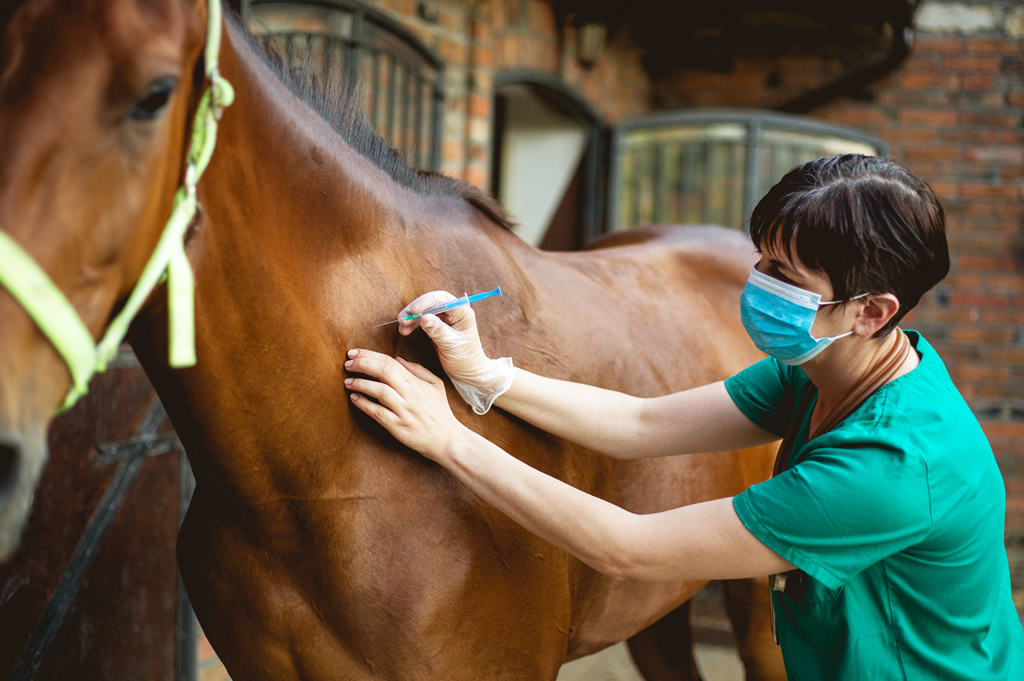
The pharmaceutical history of many medications is often clouded by colloquialisms, social stigma, and cultural misconceptions. Perhaps no drug in the modern pharmacopeia has faced more reductive labeling than ketamine. In public forums, social media, and even some news outlets, the question persists: Is ketamine horse tranquilizer? While the substance is indeed utilized by veterinarians for large animal sedation, this label is a vast oversimplification that ignores more than five decades of critical human medical application. Ketamine is a World Health Organization (WHO) essential medicine, relied upon daily in human trauma centers, pediatric emergency rooms, and increasingly, in specialized psychiatric clinics.
Addressing the myth of whether Is ketamine horse tranquilizer requires a comprehensive look at pharmacology, history, and current clinical standards. This molecule is a versatile dissociative anesthetic that functions across mammalian biology, providing safe sedation and pain relief for humans and animals alike. However, the context of its use—the dosage, the intent, and the medical supervision involved—creates a profound distinction between a “veterinary sedative” and a life-saving human psychiatric tool. By examining the evidence, we can move past the stigma and understand why this “animal drug” is actually one of the most significant breakthroughs in human mental health and anesthesia.
Key Takeaways
- Ketamine is a cross-species anesthetic, meaning it is effective for humans, equines, and many other mammals.
- The term “tranquilizer” is pharmacologically incorrect; ketamine is a dissociative anesthetic.
- It has been FDA-approved for human use since 1970 and was a staple for battlefield medicine in Vietnam.
- In psychiatry, ketamine provides rapid relief for treatment-resistant depression through neural repair.
The Pharmacological Reality of Dissociative Anesthetics
To provide a clinical answer to the query Is ketamine horse tranquilizer, we must first define the drug’s classification. Ketamine is not a tranquilizer in the traditional sense. Tranquilizers, such as benzodiazepines or phenothiazines, primarily induce a state of calm or sedation by depressing the central nervous system. Ketamine, conversely, is a dissociative anesthetic. It works primarily as an N-methyl-D-aspartate (NMDA) receptor antagonist, interrupting the transmission of signals between the conscious mind and the sensory inputs of the body.
This unique mechanism creates a state where a patient remains physiologically stable—maintaining their own heart rate and respiratory drive—while entering a state of profound analgesia and amnesia. Because of these safety features, Medical-Grade Ketamine is often the first choice for human surgeries in high-risk patients, such as children or the elderly. The veterinary application of the drug is simply an extension of this safety profile across different species, not a sign that the drug is “unfit” for human consumption.
History: From Battlefield to Veterinary Clinic
The narrative of Is ketamine horse tranquilizer often suggests that the drug was developed for animals and later “misused” by humans. In reality, the timeline is quite the opposite. Ketamine was synthesized in 1962 by Calvin Stevens as a safer alternative to phencyclidine (PCP). After successful human trials, it received FDA approval for human use in 1970. It saw its first major widespread application on the battlefields of the Vietnam War, where its ability to provide anesthesia without the need for complex breathing equipment saved thousands of human lives.
It was only after its success in human medicine that veterinarians adopted it. Because horses are large, powerful animals that can be dangerous during surgery, they require anesthetics that do not severely depress respiration but provide absolute pain relief. Ketamine met these criteria perfectly. Thus, while it is true that veterinarians use it, the foundation of its existence is rooted firmly in human clinical research. The question Is ketamine horse tranquilizer is therefore a bit like asking if aspirin is “dog medicine” because a veterinarian might use it to treat canine inflammation.
The Stigma of Veterinary Labels
The persistent use of the label Is ketamine horse tranquilizer largely stems from the recreational drug scene of the 1990s. During this time, much of the illicit ketamine found on the streets was stolen or diverted from veterinary clinics. Law enforcement and media outlets used the “horse tranquilizer” label to shock the public and emphasize the perceived danger of the substance. While effective for anti-drug campaigns, this terminology created a lasting stigma that clinicians must now work hard to overcome.
In a professional setting, a Ketamine HCl Injection is a precision-manufactured pharmaceutical. It is administered in a sterile environment by licensed professionals who titrate the dose based on the patient’s body weight and medical history. This is a far cry from the unmonitored use of diverted veterinary supplies. The veterinary label is a cultural relic, not a medical fact, and it often prevents people from seeking life-saving therapy for severe depression.
Is Ketamine Horse Tranquilizer in a Psychiatric Setting?
When we look at the modern use of this molecule for mental health, the answer to Is ketamine horse tranquilizer becomes even clearer. In psychiatry, ketamine is used at sub-anesthetic doses. A horse undergoing surgery might receive thousands of milligrams of the drug to induce total unconsciousness. A human patient receiving treatment for depression or PTSD typically receives a fraction of that dose—enough to induce a light dissociative state but not enough to render them unresponsive.
This lower dosage triggers the release of brain-derived neurotrophic factor (BDNF), which facilitates the growth of new synaptic connections in the brain. This process of neuroplasticity is the true goal of modern therapy. For these protocols, clinicians may use a Ketamine HCl Nasal Spray to provide a controlled maintenance dose. This highly specialized, patient-focused application bears no resemblance to the sedation of a 1,000-pound animal, yet the question Is ketamine horse tranquilizer continues to haunt patient intake sessions.
Comparative Physiology: Human vs. Equine
While the chemical structure of the drug is identical, the physiology of the recipient dictates the experience. In equines, ketamine is rarely used alone; it is typically part of a “cocktail” that includes other sedatives like xylazine. This combination is what provides the “tranquilizing” effect. In humans, especially in sub-anesthetic psychiatric applications, the drug is used for its specific NMDA-blocking properties to encourage cognitive shifts and emotional processing.
The common misconception that Is ketamine horse tranquilizer implies the drug is “too strong” for humans is factually incorrect. In the emergency room, human infants are regularly given doses that would be sufficient to sedate a small pony relative to their body weight. The reason it is used in both is because of its incredible safety margins. Unlike opioids or barbiturates, it does not stop the heart or lungs, making it the most resilient anesthetic available to modern medicine, regardless of the species.
Clinical Standards and Regulatory Oversight
For a website to be authoritative, it must rely on data from reputable sources. The National Institutes of Health (NIH) and the Mayo Clinic have both published extensive literature supporting the use of ketamine for treatment-resistant depression. None of these institutions refer to the drug as a veterinary sedative. Instead, they classify it as a groundbreaking intervention for mood disorders.
Regulatory bodies like the FDA have even approved a derivative of ketamine (esketamine) specifically for human psychiatric use. When the government evaluates a drug for approval, they do not ask Is ketamine horse tranquilizer; they ask if it is safe and effective for the human population. The evidence overwhelmingly says yes. In fact, ketamine’s status as a “WHO Essential Medicine” means that it is considered a basic necessity for any functioning human healthcare system in the world.
Why the “Tranquilizer” Label is Incorrect
In addition to the species-specific confusion, the word “tranquilizer” is a pharmaceutical misnomer. A tranquilizer is designed to calm or quiet a patient. If you were to give a horse only ketamine, they would not necessarily become “quiet”; they would become uncoordinated and enter a dissociative state. This is why veterinarians combine it with actual tranquilizers.
In human therapy, the “dissociative” state is actually the desired effect. It allows patients to view their trauma or depressive thoughts from a distance, without the overwhelming emotional weight usually attached to them. This “stepping back” is a hallmark of the experience. So, the next time someone asks Is ketamine horse tranquilizer, it is important to clarify that it is an anesthetic that allows the human mind to disconnect from pain and trauma, which is a much more complex and beneficial process than simple sedation.
The Role of Supervised Clinical Use
One of the most dangerous aspects of the Is ketamine horse tranquilizer myth is that it can encourage people to seek the drug outside of medical channels. If people believe it is “just a horse drug,” they may underestimate its power and try to use it without supervision. This is where the real danger lies. In a clinic, every aspect of the treatment is monitored—from the patient’s blood pressure to their psychological integration after the session.

Using Ketamine Powder prepared in a compounding pharmacy for human use ensures that the dosage is exact. A medical professional provides a “set and setting” that is conducive to healing. This level of care is simply not possible with recreational use or veterinary-grade supplies. The question of whether Is ketamine horse tranquilizer should remind us that while the drug is versatile, it requires the highest level of human medical expertise to be used safely and effectively.
Comparison Table: Medical vs. Recreational/Veterinary Contexts
| Feature | Clinical Human Use | Veterinary Use | Recreational/Street Use |
| Dose | Precise, sub-anesthetic | High, surgical induction | Unknown, often excessive |
| Environment | Sterile Clinic / Hospital | Veterinary Suite | Uncontrolled |
| Monitoring | Blood Pressure, O2, Pulse | Vital Sign Monitoring | None |
| Purpose | Mental Health / Anesthesia | Animal Surgery | Intoxication |
| Purity | 100% Medical Grade | Veterinary Grade | Likely Contaminated |
When looking at the data, it becomes clear that Is ketamine horse tranquilizer is a question that fails to account for the massive differences in how the drug is applied.
Common Myths vs. Medical Facts
There are several myths that keep the Is ketamine horse tranquilizer narrative alive:
- Myth: Humans only started using it because they saw it work on horses.
- Fact: Human use preceded veterinary use by several years.
- Myth: It is too dangerous for the human brain.
- Fact: It is used in pediatric human medicine because it is safer than most alternatives.
- Myth: It is only used to “knock people out.”
- Fact: In psychiatry, the doses are specifically chosen to keep the patient conscious and capable of processing thoughts.
Education is the only way to dismantle these misconceptions. By answering the question Is ketamine horse tranquilizer with historical and clinical facts, we empower patients to make informed decisions about their mental health.
The Impact of Language on Patient Outcomes
The labels we use for medications matter. If a patient believes they are being given “horse medicine,” they may experience a “nocebo” effect—where their negative expectations lead to a worse outcome. Conversely, when patients understand they are receiving a breakthrough human pharmaceutical, they are more likely to engage positively with the therapy.
As clinicians, we must be diligent in correcting the question: Is ketamine horse tranquilizer? We should explain that ketamine is a “cross-species” anesthetic, similar to how antibiotics are used for both humans and animals. This normalization helps reduce the stigma and allows the patient to focus on their recovery rather than the cultural baggage associated with the drug’s name.
Summary
In summary, the question of whether Is ketamine horse tranquilizer is a reductive myth born out of cultural stigma rather than medical reality. While ketamine is used by veterinarians for animal anesthesia, its origin, FDA approval, and primary development were for human medicine. It is a dissociative anesthetic—not a tranquilizer—that has served as a staple of human surgery for over fifty years and has recently emerged as a primary treatment for treatment-resistant depression. By utilizing medical-grade preparations in a supervised clinical setting, patients can access a level of neuroplasticity and healing that far transcends the “horse drug” labels of the past. The evidence is clear: ketamine is an essential human medication that happens to be effective for animals, too.
FAQs
Q: Is ketamine horse tranquilizer a legal description for the drug?
A: No. Legally and medically, ketamine is a Schedule III controlled substance approved for human anesthesia. While it is used in veterinary medicine, that is only one of its many recognized uses.
Q: Why do veterinarians use it if it’s a human drug?
A: Many medications are “cross-species.” Veterinarians use ketamine because it is one of the safest ways to provide deep pain relief to an animal without stopping their breathing, which is a major concern during large animal surgery.
Q: Does human ketamine come from veterinary clinics?
A: No. In a clinical setting, your provider uses pharmaceutical-grade ketamine manufactured specifically for human use. The drug is obtained through medical supply chains that are strictly separated from veterinary supplies.
Q: Is ketamine horse tranquilizer safe for people with depression?
A: When administered by a doctor at a sub-anesthetic dose, ketamine has a strong safety profile for people with depression. It is not being used as a tranquilizer but as a tool to promote brain health and repair.
Q: How did the “horse drug” name start?
A: It was popularized by the media and law enforcement in the late 20th century because recreational users were often caught with bottles stolen from veterinary clinics, creating a sensationalized association that exists to this day.
Medical Disclaimer
This content is for informational purposes only and does not constitute medical advice. Ketamine treatments should only be administered under the supervision of a licensed healthcare provider in a professional clinical setting. Always consult a qualified professional before making medical decisions or starting a new treatment protocol. The question of whether Is ketamine horse tranquilizer is addressed here to clarify public misconceptions; individual health outcomes depend on clinical assessment and professional oversight.
Dosage Form
-

Ketamine HCl Injection
Price range: $104.95 through $5,235.56 -

Ketamine HCl Nasal Spray
Price range: $449.99 through $1,349.85 -

Ketamine HCl Powder
Price range: $164.75 through $13,934.65