
Knowledge Center
What Does Ketamine Feel Like
Introduction
The therapeutic landscape for mental health has evolved rapidly, with ketamine emerging as a transformative intervention for treatment-resistant depression, PTSD, and chronic pain. Unlike traditional antidepressants that may take weeks to show results, ketamine works on the glutamate system to promote rapid neural repair. However, for many patients considering this path, the primary question remains: what does ketamine feel like during a supervised session? Understanding the subjective experience is crucial for reducing anxiety and ensuring patients are mentally prepared for the unique sensations associated with this dissociative anaesthetic.

In a medical context, the experience is carefully titrated and monitored. It is vastly different from recreational misuse, as the clinical environment is designed to foster healing rather than intoxication. Patients often describe a sense of detachment from their physical bodies or a “quieting” of the chronic mental noise that accompanies depressive disorders. By exploring what ketamine feels like through a clinical lens, we can demystify the process and highlight why this medication is becoming a cornerstone of modern interventional psychiatry.
Key Takeaways
- Ketamine is a dissociative anesthetic that induces a temporary shift in consciousness and sensory perception.
- In a medical setting, the experience is described as a “controlled detachment” rather than a typical drug “high.”
- The effects are short-lived, typically lasting 45 to 90 minutes, followed by a period of cognitive recovery.
- Clinical supervision is mandatory to ensure patient safety and to manage potential side effects like elevated blood pressure.
The Neurobiology of the Experience
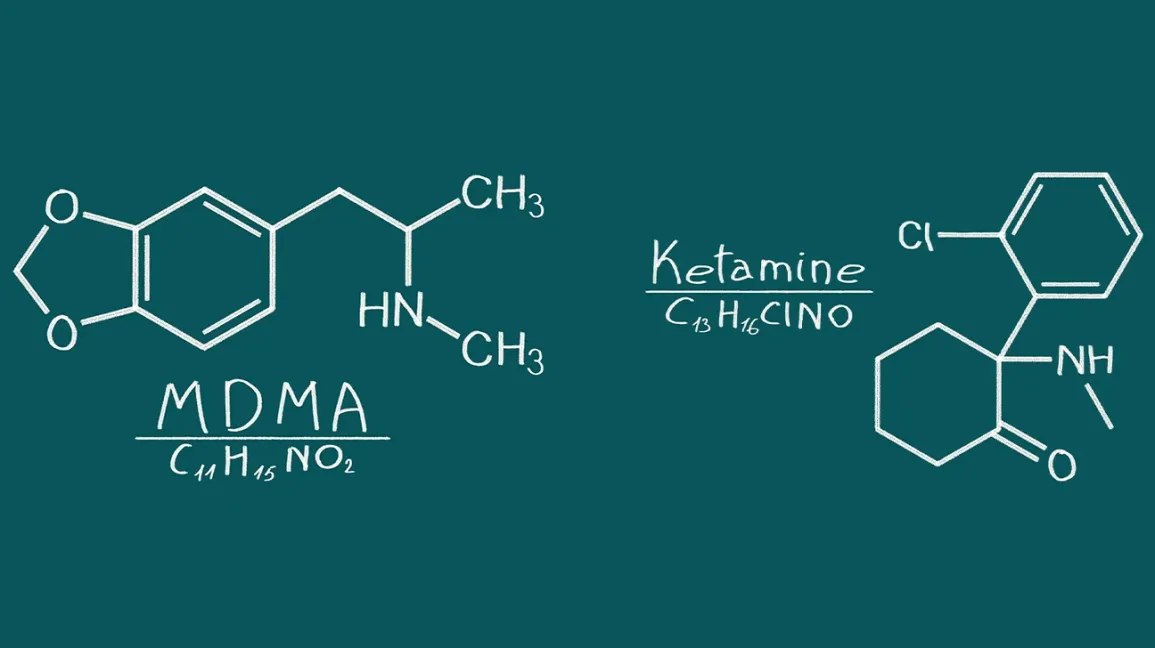
To understand what ketamine feels like, one must first look at how the drug interacts with the brain. Ketamine is an N-methyl-D-aspartate (NMDA) receptor antagonist. Blocking these receptors triggers a surge in glutamate, which then activates AMPA receptors. This process leads to the release of brain-derived neurotrophic factor (BDNF), essentially acting as a “fertiliser” for synaptogenesis—the birth of new neural connections.
While these biological changes occur deep within the brain’s architecture, the immediate subjective experience is characterized by dissociation. Dissociation is a mental state where a person feels disconnected from their thoughts, feelings, memories, or sense of identity. In a therapeutic session, this allows patients to observe their trauma or depressive thoughts from a distance, without the overwhelming emotional “weight” usually attached to them. This objective perspective is often what patients refer to when describing what does ketamine feel like in terms of emotional relief.
The Physical Sensations of Clinical Ketamine
The onset of a session varies depending on the delivery method. For those receiving a Ketamine HCl Injection into the muscle, the effects usually begin within two to five minutes. The first physical sign is often a feeling of heaviness or lightness in the limbs. Many patients report a tingling sensation in the hands or feet, followed by a general sense of relaxation.
As the medication reaches its peak, the sense of the physical body may seem to recede. Patients remain awake and conscious but may feel as though they are floating or “melting” into the chair. This physical detachment is a core component of what does ketamine feel like, as it signals that the medication is effectively interrupting the standard sensory processing pathways. Because medical-grade preparations are used, these sensations are predictable and manageable under the eye of a trained professional.
Sensory and Time Perception Shifts
One of the most striking aspects of the experience is the shift in sensory perception. Colors may seem more vivid if the eyes are open, and music—often played during clinical sessions—can feel three-dimensional or profoundly moving. If you ask a patient what does ketamine feel like regarding their surroundings, they might describe a “dream-like” state where the boundaries of the room feel less defined.
Time perception is also significantly altered. A session that lasts 40 minutes might feel like it lasted for hours, or conversely, it may seem to pass in the blink of an eye. This temporal distortion is a hallmark of the dissociative state. Understanding that time will feel different helps patients avoid panic during the peak of the treatment. For those utilizing a Ketamine HCl Nasal Spray, the peak is often reached quickly, making the preparation for these sensory shifts even more important.
Therapeutic Dissociation vs. Recreational Intoxication
It is vital to distinguish the medical experience from the “street” use of the drug. In a clinic, the goal is therapeutic neuroplasticity. When discussing what does ketamine feel like, medical professionals emphasize “liminality”—the state of being between two worlds. Patients are not looking for a “high” but rather a “reset” of the nervous system.
Recreational use often involves uncontrolled doses and dangerous environments, leading to what is colloquially known as a “K-hole,” a state of total unresponsive detachment. In contrast, medical administration ensures the patient stays within a “therapeutic window.” This controlled environment is why many providers only use Medical-Grade Ketamine to guarantee that no contaminants interfere with the patient’s delicate psychological state.
The Emotional Aftermath of a Session
The experience does not end when the physical sensations fade. In the hours following a session, many patients report a sense of “lightness” or an absence of the heavy “fog” of depression. When reflecting on what does ketamine feel like the day after, the most common response is a newfound sense of mental clarity. This is the result of the glutamate surge mentioned earlier, which begins the work of repairing the brain’s circuitry.
Some patients may feel emotionally vulnerable or “raw” as the dissociation wears off. This is a normal part of the process and is why integration therapy is often recommended. Discussing the visions or thoughts encountered during the session with a therapist can help solidify the long-term benefits of the treatment.
Delivery Methods and Their Impact on the Experience
The route of administration dictates the intensity and duration of the experience.
- Intravenous (IV): Provides 100% bioavailability and allows for precise titration. The clinician can slow or stop the drip if the patient feels overwhelmed.
- Intramuscular (IM): Involves a single shot. The onset is rapid, and the experience is often described as “deeper” or more intense.
- Nasal Spray: Commonly used for maintenance. It provides a more gradual entry into the dissociative state compared to an injection.
- Oral/Sublingual: Often used as a Ketamine HCl Powder formulated into lozenges for at-home use (under strict guidelines), providing the mildest experience.
Regardless of the method, the core question of what does ketamine feel like remains centered on the dissociative properties of the molecule.
Safety Protocols and Clinical Monitoring
Safety is the paramount concern in any ketamine clinic. Before a patient can understand what does ketamine feel like firsthand, they must undergo a rigorous screening process. Ketamine is a sympathomimetic, meaning it can increase heart rate and blood pressure. According to the American Psychiatric Association, patients must be monitored throughout the session for these cardiovascular changes.
Licensed providers use pulse oximeters and blood pressure cuffs to ensure the patient remains in a safe physiological range. This medical oversight is the primary reason why “DIY” or unmonitored use is highly discouraged. Knowing that a medical professional is nearby allows the patient to fully surrender to the experience, which is essential for achieving the best therapeutic outcomes.
Clinical Data and Research Insights
Extensive research from institutions like the National Institutes of Health (NIH) and the Mayo Clinic has validated the efficacy of ketamine. A landmark study published in The American Journal of Psychiatry highlighted that ketamine can significantly reduce suicidal ideation within hours. For these patients, what does ketamine feel like is effectively the feeling of “hope” returning after years of darkness.
Data also suggests that the “dissociative” element is not just a side effect, but a predictor of success. Patients who experience a moderate degree of detachment often report the most significant reductions in depressive symptoms. This suggests that the subjective feeling of “stepping away” from one’s self is a functional part of the healing mechanism.
Comparison: Ketamine vs. Traditional Antidepressants
| Feature | Ketamine Therapy | Traditional SSRIs |
| Onset of Relief | Hours to Days | 4 to 8 Weeks |
| Mechanism | Glutamate / NMDA | Serotonin / Norepinephrine |
| Experience | Acute Dissociation | Subtle Mood Shift |
| Administration | Clinical Session | Daily Pill |
| Neural Impact | Rapid Synaptogenesis | Slow Adaptive Changes |
When patients compare the two, they often note that while SSRIs make them feel “numb” or “stable,” the answer to what does ketamine feel like is more about a profound, active shift in perspective.
Who Should Consider Ketamine Therapy?

Ketamine is generally reserved for those with Treatment-Resistant Depression (TRD), meaning they have failed at least two standard medication trials. It is also increasingly used for Complex Regional Pain Syndrome (CRPS) and severe anxiety. However, it is not for everyone. Individuals with a history of psychosis or uncontrolled high blood pressure may be advised against it.
The initial consultation is the best time to ask a provider what does ketamine feel like for someone with your specific medical history. This personalized approach ensures that the “felt experience” aligns with your safety needs and therapeutic goals.
Potential Side Effects and Discomforts
While the primary experience is often peaceful, it is not without potential discomfort. Some patients may experience:
- Nausea: Often managed with anti-emetics like Zofran.
- Dizziness: Usually resolves within an hour of the session’s end.
- Anxiety: Sometimes the “letting go” process can feel frightening initially.
- Increased Blood Pressure: Temporarily elevated during the peak of the session.
If you are worried about what does ketamine feel like in terms of side effects, your clinical team can provide medications to mitigate these issues before the session begins.
Summary
In summary, the question of what does ketamine feel like is answered through the lens of therapeutic dissociation. It is an experience characterized by a dream-like detachment, vivid sensory shifts, and a profound mental “reset” that allows for rapid relief from chronic mental health conditions. While the physical and sensory changes are temporary, the underlying neural repair offers long-lasting hope for those who have found traditional treatments ineffective. The medical setting ensures that these powerful shifts occur in a safe, controlled, and compassionate environment, prioritizing the patient’s well-being above all else.
FAQs
Q: what does ketamine feel like if I am afraid of losing control?
A: Many patients share this concern. In a clinical setting, you are never fully “unconscious.” You remain aware that you are in a clinic and can usually speak if necessary. The feeling is more like being a passenger in a car rather than being completely out of control.
Q: Does the “trip” last all day?
A: No. The acute dissociative phase usually lasts 45 to 60 minutes. Most people feel completely back to their baseline within two hours, although you are required to have someone else drive you home.
Q: Can it cause bad “trips” or scary visions?
A: While rare in a clinical setting, challenging experiences can happen. This is why the “set and setting”—the music, lighting, and presence of a provider—are so carefully curated to keep the experience positive and grounded.
Q: what does ketamine feel like compared to psilocybin or LSD?
A: Ketamine is a dissociative, while psilocybin is a classic psychedelic. Ketamine tends to feel more “internal” and “quiet,” whereas classic psychedelics are often described as more visually and emotionally externalized and last significantly longer.
Q: Will I remember the experience?
A: Most patients remember the general themes and feelings of the session, though specific sensory details may feel “fuzzy” like a dream you are trying to recall after waking up.
Medical Disclaimer
This content is for informational purposes only and does not constitute medical advice. Ketamine treatments should only be administered under the supervision of a licensed healthcare provider. Always consult a qualified professional before making medical decisions or starting any new treatment protocol. The subjective experience of ketamine varies by individual and dosage; your results and feelings may differ from those described here
Ketamine HCl Dosage Form